

READY:
“’What then should we do?’ the crowds were asking him. He replied to them, ‘The one who has two shirts must share with someone who has none, and the one who has food must do the same.’ Tax collectors also came to be baptized, and they asked him, ‘Teacher what should we do?’ He told them, ‘Don’t collect any more than what you have been authorized.’ Some soldiers also questioned him, ‘What should we do?’ He said to them, ‘Don’t take money from anyone by force or false accusation, and be satisfied with your wages.’” –누가복음 3:10-14
SET:
John the Baptist has just delivered a healthy dose of hard truth to his audience. He told the Jews to bear fruit in keeping with repentance; it wasn’t about their lineage or who they claimed to belong to. It was about what was in their hearts. It was a pretty tough message to hear, but they needed to hear it just as we do. The crowds listening then replied, “What then should we do?” We hear you John, we need to change. But how do we do that? Where do we start?
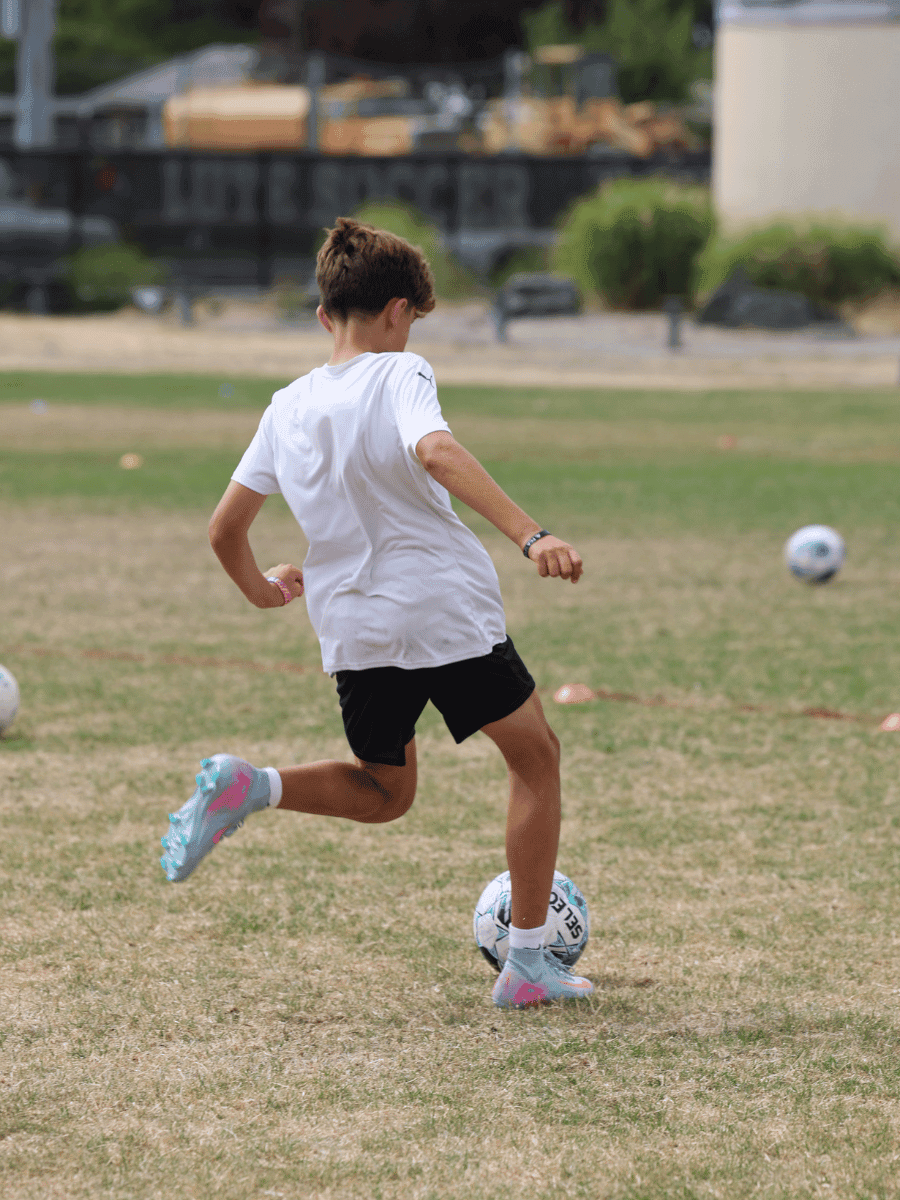
Any athlete knows small decisions build the big ones. How would your coach feel if you missed one practice? It’s just one practice, right? But that one practice is a big deal to the coach. Sliding into a base and getting tagged out because you were a half-second too slow coming off the previous bag: it was one small decision, but it gave a big result, right? Or even putting in golf. Pushing or pulling a putt by an inch could make the difference between winning 1st or 2nd. The small things are just as important as the big things.
John knew that too. That’s why he replied the way he did. He knew it was an overwhelming message, so he told them to start small, to be faithful in the little things. If you had two shirts and there is someone needing one, give it to them. Tax collectors were to be faithful in what they collected from the people. Soldiers were to live contently and not lord their power over those below them. John commanded them to have integrity in the small places of their lives and when they did that, it would change their lives. Them being repentant and faithful in the small areas of their lives would actually grow to change the big areas of their lives.
Not missing a practice, leaving the bag on time, being intentional with your putt: all of these things are small but what happens when you do them well? You’re adequately trained for your sport, you make it to the bag safe giving your team one more run or you win the tournament. The little things don’t seem so little anymore, do they?
GO:
How can you apply John’s message to your life today?
Where do you need to start?
WORKOUT:
OVERTIME:
“Dear Heavenly Father, I praise you for making it simple for the Jews as they were listening to John the Baptist, and I praise you for making it simple for me. I recognize that the small things do matter, no matter how mundane they might feel. Father, please help me to be intentional in the small matters of my life on and off the field. I want to live a life of integrity for your glory.”